

|

History of Siege A siege is an assault against a city or fortress with the purpose of capturing it. The history of siege-craft parallels the development of fortification systems for protection from enemy attacks.
Both siege and fortification technology continually developed and eventually the use of the catapult became extinct.
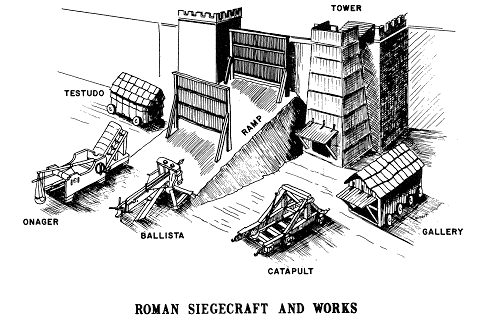 Early SiegeIn early times battering rams and bores were employed to break down the walls and gates of a fortified place. This tactic was used if deception, treachery, or starvation was unsuccessful. To protect the sieges from missiles, hot oil, and other incendiaries launched by the defenders, a shelter was constructed. This was usually built from huge wicker shields covered with wood or hide (mantelets). Rams, mounds and movable wooden towers were built by both besieger and besieged in a race to attain heights from which the adversary could be assaulted. Engines of war, such as the catapult were brought into play by both sides to hurl stones, spears, pots of flaming oil, and arrows. It was also common for besiegers to build a wall (circumvallation) around their objective to prevent sorties (columns of troops from a fort to stop the sieges) and a second wall (contravallation) around their own army as security against relieving forces.  Siege EvolutionJust as the catapult was becoming a formidable sieging weapon gun power was discovered. Cannons mortar and other artillery soon because the favoured and more usable choice of weaponry for sieging. Artillery that could breach high walls made it necessary to lower and extend medieval fortifications and mount defensive artillery. Many sieges became artillery duels. The development of tanks, aircraft, and missiles in the 20th century gave the besieger a great advantage in firepower and mobility. Now-days sieging has become a much quicker, explosive and destructive procedure. Making the slow and sluggish nature of the catapult a relic of the past. 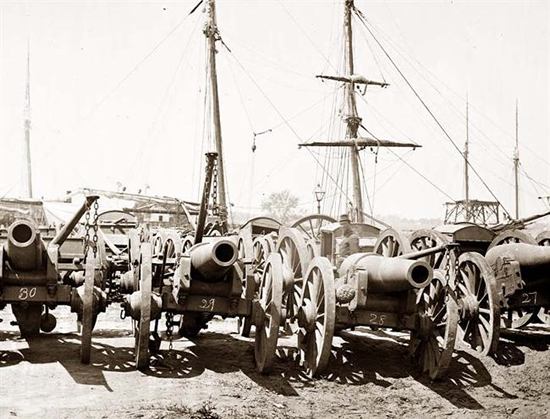 |